Tattoo styles
Dotwork: A versatile tattoo style
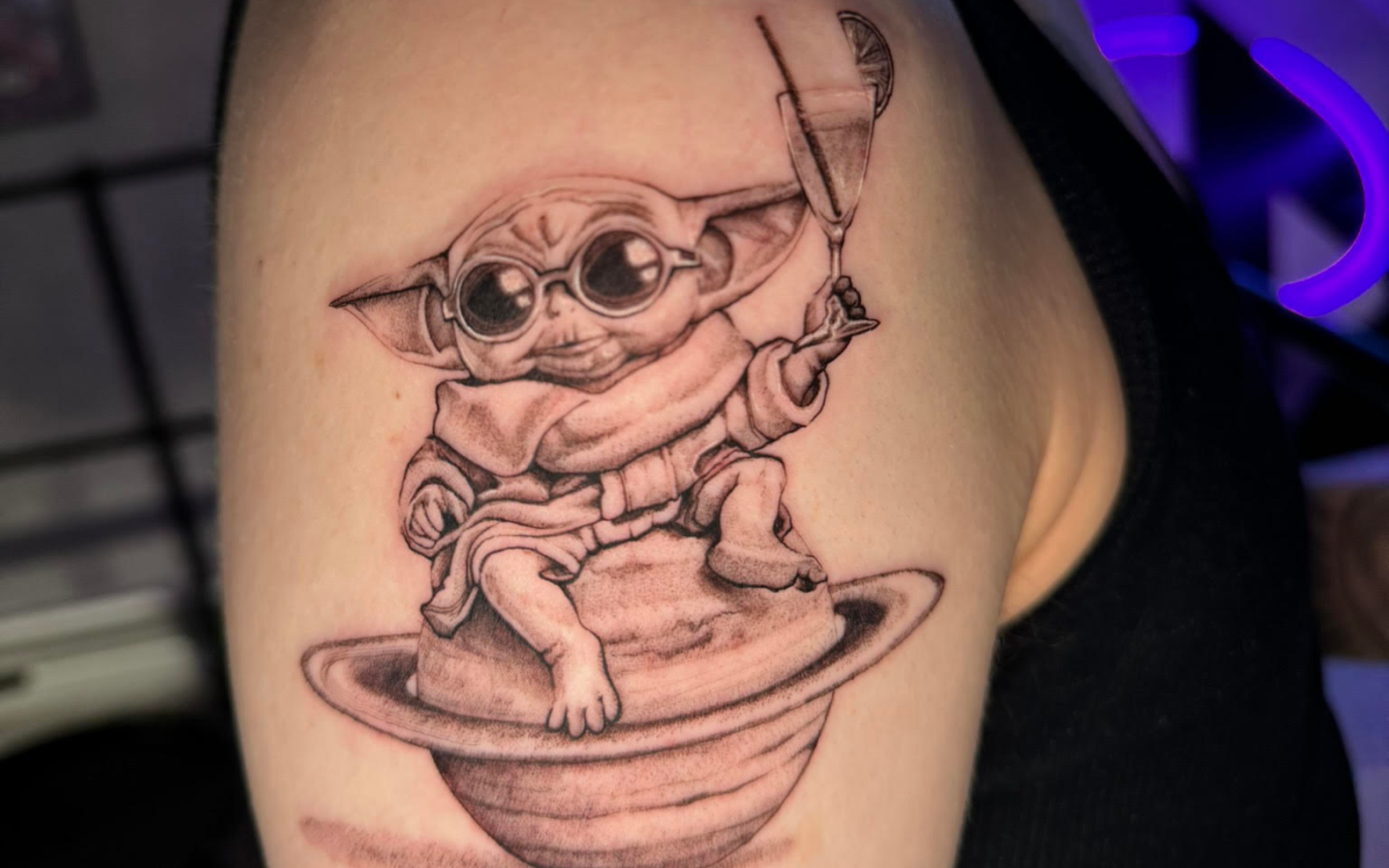
Dotwork tattoo: a versatile style built from thousands of dots
Dotwork is a tattoo style where the design is created from thousands of carefully placed dots rather than continuous lines or shading. The result is a richly detailed, almost hypnotic effect that stands out from other techniques. The style is commonly used in mandala and ornamental tattoos, but works equally well in geometric patterns, portraits and abstract designs.
From a distance, a dotwork tattoo looks like a smooth, harmonious surface. But up close, the impressive craftsmanship reveals itself: tightly packed dots create dark tones, while scattered dots produce light, airy areas. It's this contrast that gives dotwork its characteristic depth and dimension.
How is dotwork used in practice?
Dotwork is both a standalone style and a technique that can be integrated into other tattoo styles. Some tattoos consist entirely of dots, while others use dotwork as a supplement — for example, for shading, gradients or backgrounds in an otherwise realistic piece or a fine line tattoo.
Common applications for dotwork include mandalas and geometric patterns, shading effects in larger realism projects, backgrounds and fill work in sleeve tattoos, and ornamental designs with symmetry and precision.
At Masterpiece, Gerda Skarpsno and Nick Jakobsen work extensively with dotwork techniques in their designs. Check out their portfolios for inspiration.
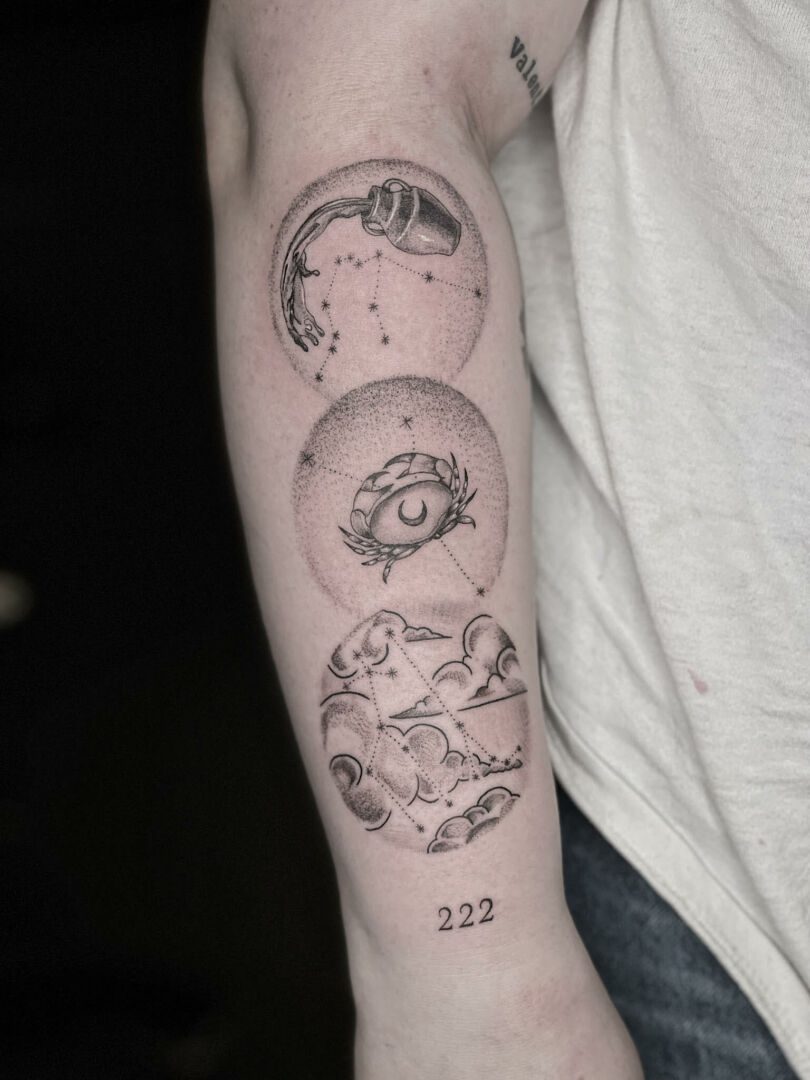
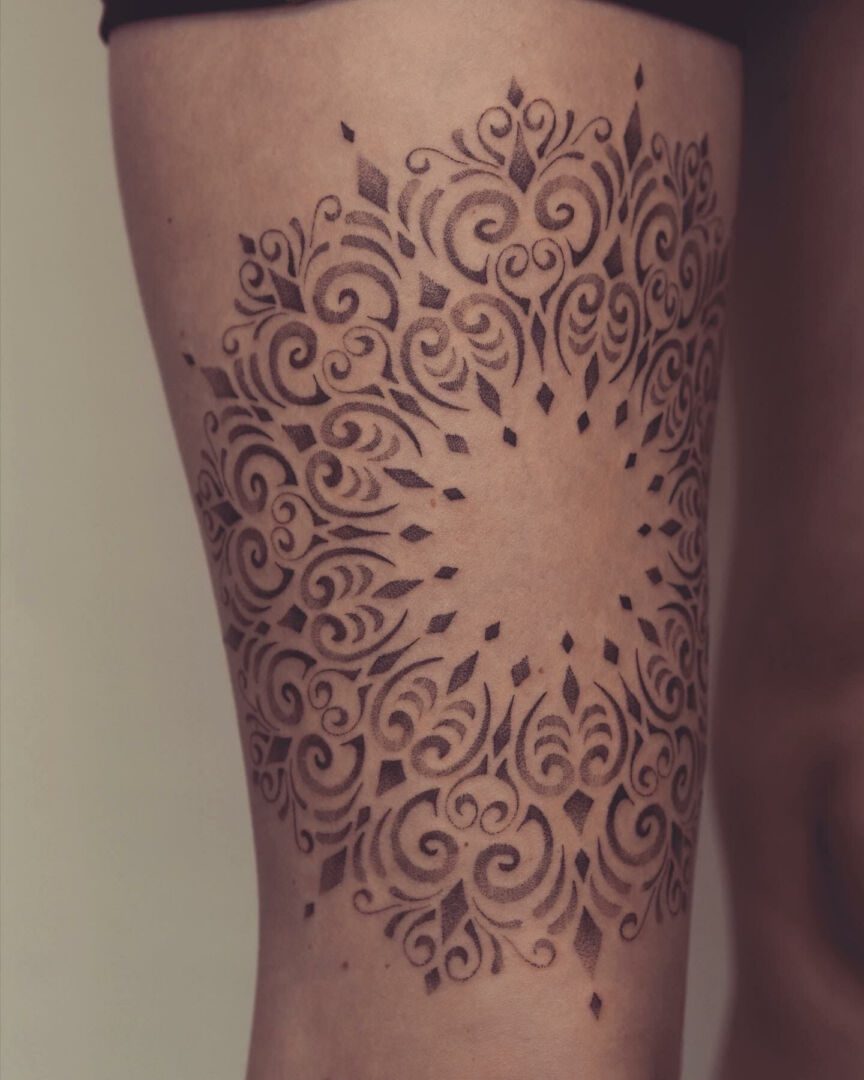 @gerdaskarpsno
The history of dotwork: from pointillism to modern tattoo art
Dotwork has its roots in pointillism — an art movement from the late 1800s in which artists like Georges Seurat created complete images by placing coloured dots side by side. The technique demonstrated that the eye itself blends the colours when viewing the work from a distance.
In the tattoo world, dotwork really took off in the 1990s when tattoo artists began experimenting with dot patterns to create everything from subtle shading to complex geometric designs. But the underlying principle is much older — dot techniques can be found in traditional tattoo art from Polynesia, Southeast Asia and indigenous cultures worldwide, where hand-poked dots have been used for thousands of years.
Today, dotwork is one of the most sought-after techniques in modern tattooing, and the style continues to evolve alongside new artistic expressions.
Is dotwork right for you?
Dotwork suits anyone who appreciates detailed craftsmanship, precision and a slightly different aesthetic. The style works in both small and large tattoos and can be combined with most other styles — from blackwork to illustrative realism.
Curious about how dotwork could look in your next project? Send us an inquiry for a no-obligation consultation and we'll help you find the right artist and design.
Frequently asked questions about dotwork tattoos
Does dotwork hurt more than regular tattoos? Pain levels vary from person to person. Some find dotwork feels slightly different from line work, while others notice little difference. It also depends on placement and size.
How long does a dotwork tattoo take? Dotwork can be time-consuming due to the precise nature of the work. A smaller tattoo may take 2–4 hours, while larger projects can require multiple sessions.
Does dotwork fade faster than other styles? With proper aftercare and sun protection, dotwork holds up well over time. Dense dot patterns can last just as well as other techniques.